
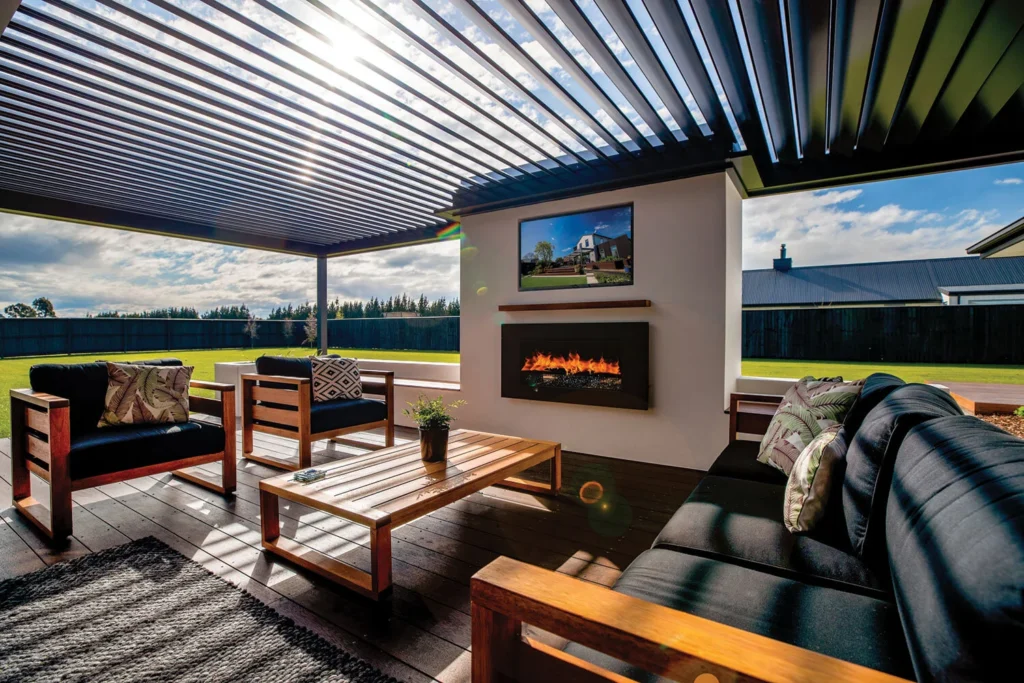
The establishment of roof louvres for modern New Zealand houses has become a trend in recent years, resulting in the conversion of outdoor areas into all-weather resorts. Unpredictable weather conditions, changing from very hot summers to sudden rainstorms, are a louvre roofing system, offering the perfect combination of style, functionality, and responsiveness to climates, to the delight of architects and homeowners alike. The industry has reported that the global louvred roof market is estimated to achieve a value of US$276 million by 2025, at an approximate CAGR of 4.2%. From the northernmost city of Auckland to the southernmost one—Queenstown—homeowners are working on the improvement of their patios, decks, and gardens into outdoor living areas for the whole year by using the louvres with outstanding durability and modern aesthetics. The latest aluminum louvres Auckland, whether motorized, manual, fixed, or rotating, provide unmatched versatility and enhance contemporary architectural design throughout the country. Here in this blog, we explore the top 10 roof louvre designs for modern New Zealand architecture.
Top 10 Roof Louvre Designs
1. Motorised Opening Louvre Roof
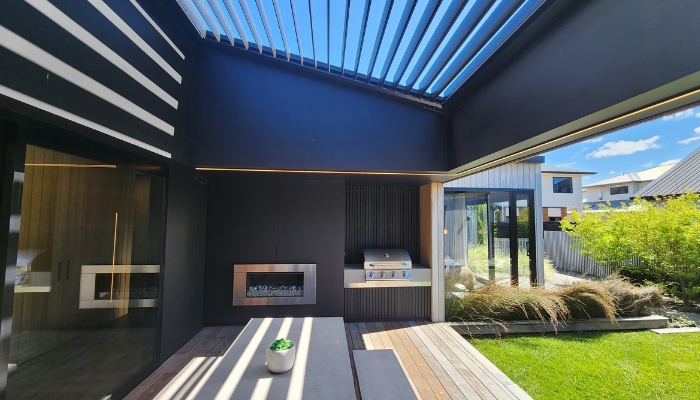
What it is: A top-quality solution for homeowners who prefer advanced louver designs. It is a system with fully adjustable aluminum blades that can be opened, tilted, or closed by a motor or remote control. Continuous indoor-outdoor flow is one of the features of Auckland solutions. Perfect for patios and poolside areas.
Why Kiwi architects love it: Louvretec’s systems, for instance, built around an award-winning spiral pivot mechanism, allow blades to rotate up to 180 degrees. This design is perfect for NZ’s sudden weather changes management, completely open for fresh air, tilted for shadow, or closed to block rain.
Pros:
- Seamless control through remote
- Weather automation (rain sensors)
- Long lifespan due to powder-coated aluminum
Cons:
- Higher price
- Require a good structural foundation
2. Slimline Opening Roof
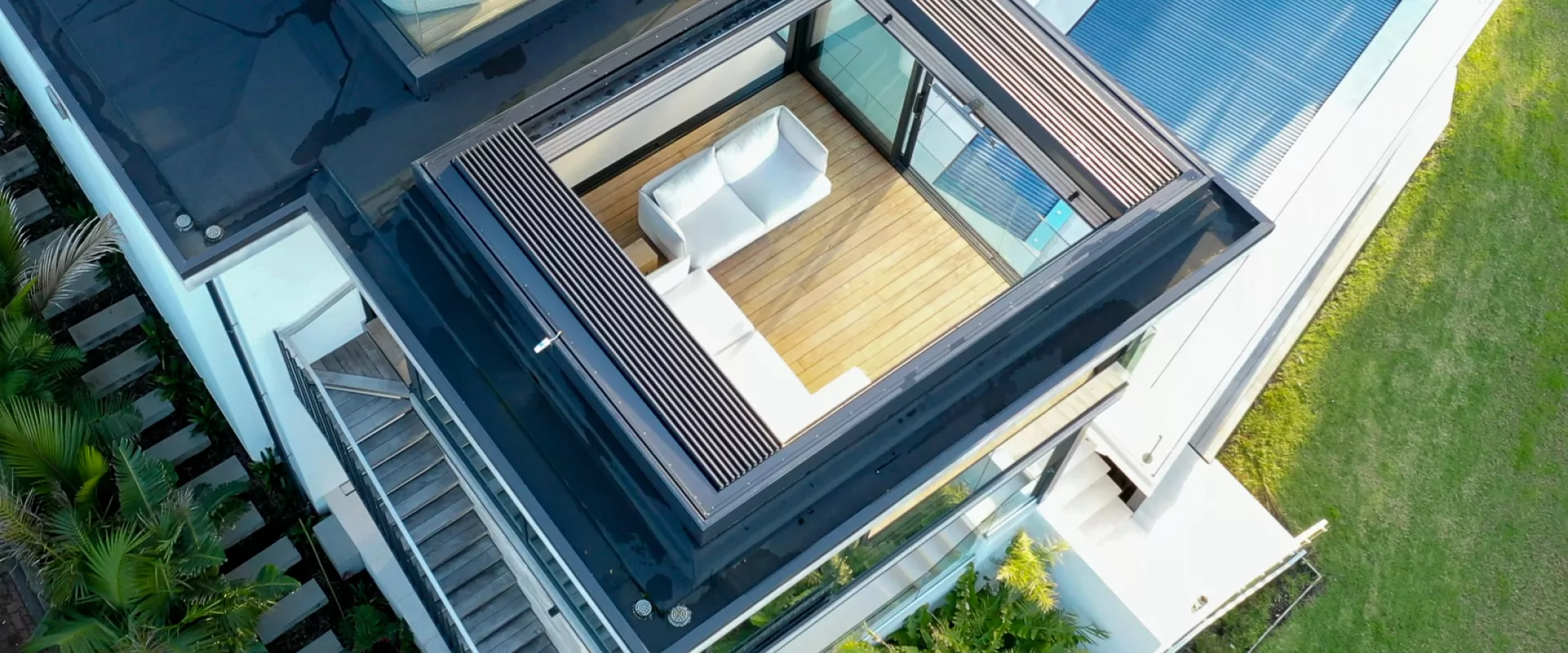
What it is: A more elegant and simplified kind of motorized roofs with narrow, low-profile louvre blades.
Why it’s trending in NZ: Perfect for contemporary, minimalist homes where architects intentionally want the technology to be part of the building design. Louvretec, for example, has developed very slim styles, “opening roofs”, that fit into such scenarios.
Pros:
- Elegant looking
- Reduced visual mass
- Matches modern house designs well
Cons:
- Not as strong as thicker blades for tough winds.
3. Fixed (Static) Louvre Roof
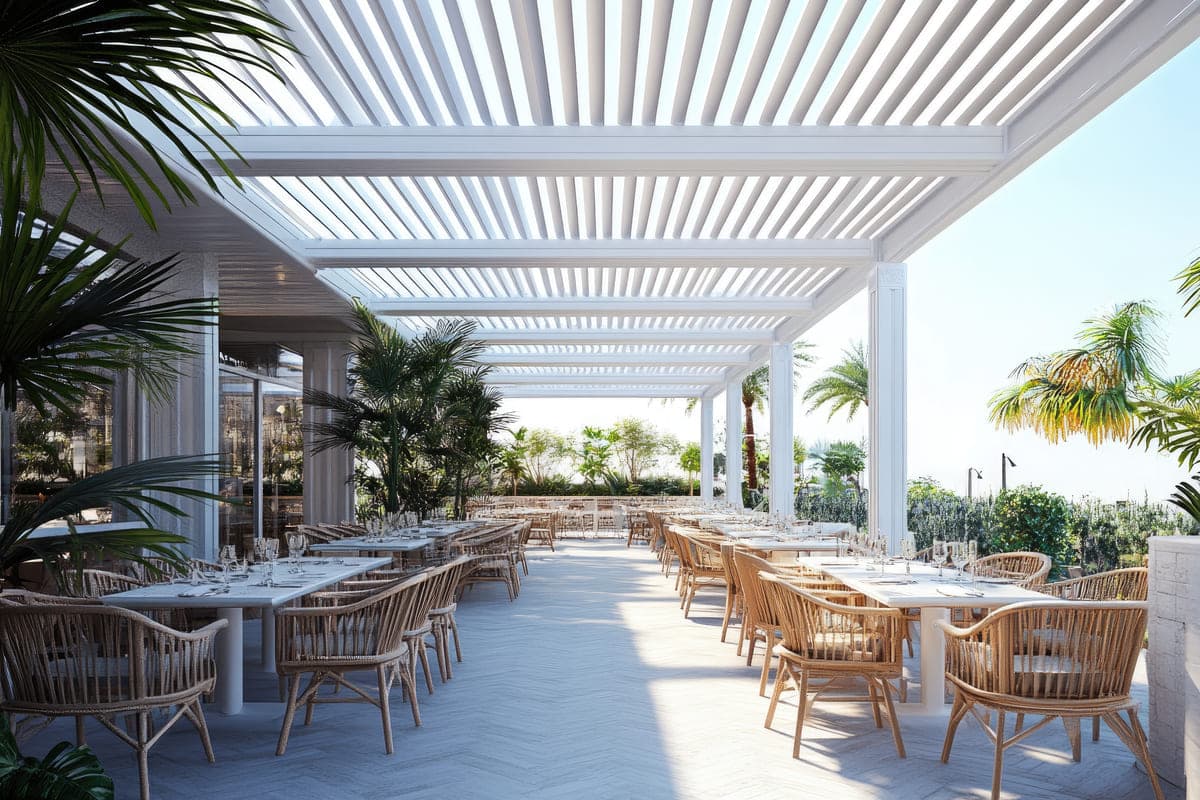
What it is: The non-movable louvre blades that are usually the permanent shade and passive ventilation become the main reason for their use.
Use-case in NZ: They can be found in pergolas and overhangs where there is a need for steady shade or airflow. Louvretec claims that the fixed louvres were originally used in tropical designs and have turned into smart architectural features over time.
Pros:
- Minimal upkeep
- No electrical mechanics or parts to move
- Suitable for passive ventilation and sun control
Cons:
- Cannot be adjusted according to the weather
- Worse control in comparison to motorised systems
4. Rectilinear Profile Louvre (RL200)
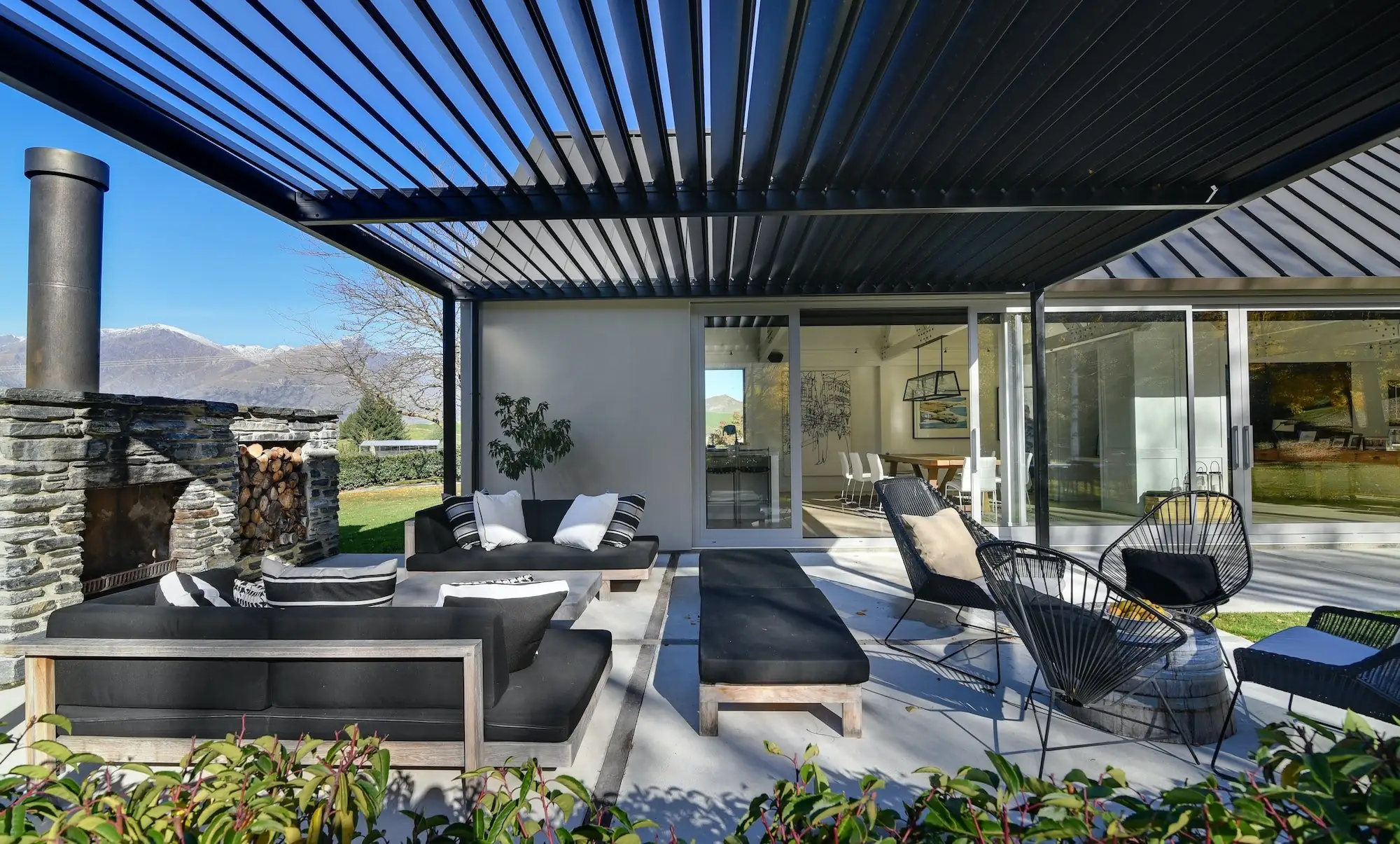
What it is: A traditional louvre blade system made of rectilinear aluminium, which is shown by Locarno’s RL200 design. The RL200 measures 200 mm in width and 29 mm in thickness, and it is supposed to be able to let up to 85% of sunlight pass through.
Why NZ builders choose it: Its smooth top and bottom give it an aesthetically clean look, while at the same time it is structurally sound and suitable for the local wind zones as tested.
Pros:
- High light transmittance
- Reliable engineering for NZ conditions
- Clean, modern appearance
Cons:
- Long spans might need additional support
- Not as slender as some of the latest designs
5. Heavy-Duty (RLX200) Louvre System
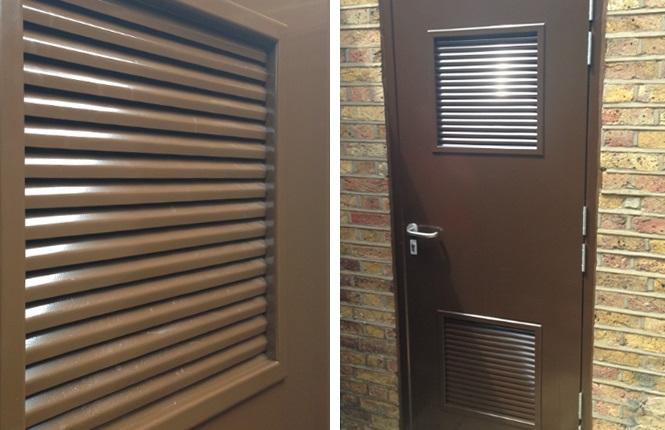
What it is: The rectilinear louvre blade is a thicker and more solid variant that can cover larger areas.
Use-case: For larger outdoor constructions or areas with minimal posts, the RLX200 provides a stronger load-bearing capacity.
Pros:
- Larger spans are supported
- Strength in wind-prone areas
- Fewer posts needed
Cons:
- Profile is somewhat heavier
- The price is higher compared to thinner alternatives
6. Retractable (Retract Roof) Louvre
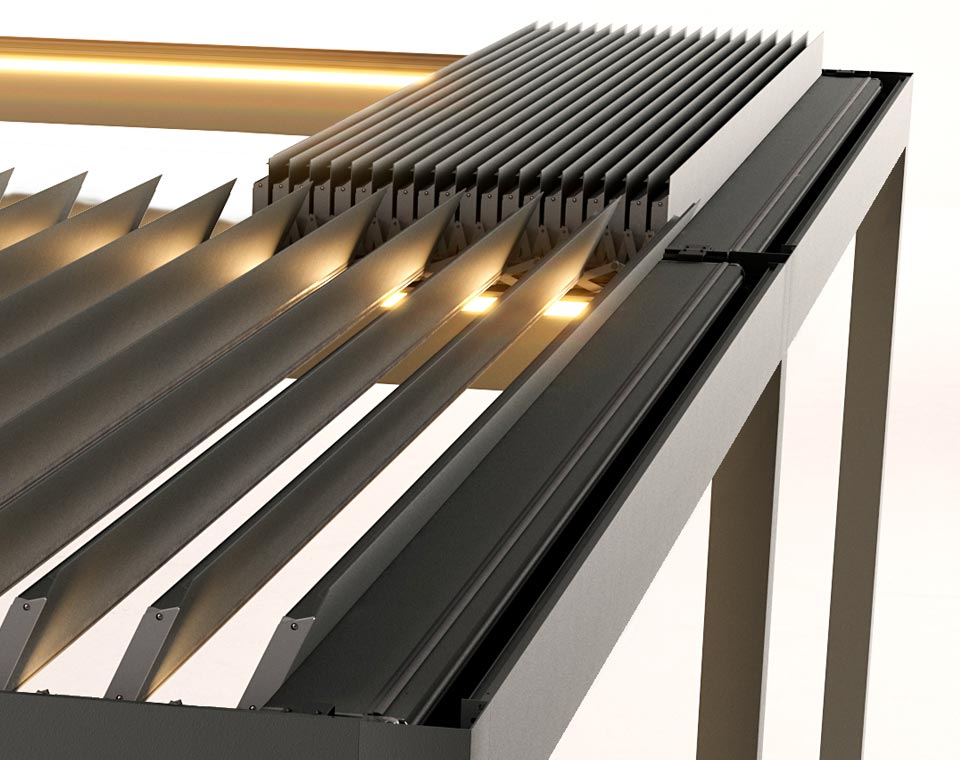
What it is: These are essentially slats or sheets that could move back or forth entirely and may work with glass or folding mechanisms.
Why it’s catching on in NZ: Homeowners now have the option of completely opening up their roof or closing it off as elegantly as Louvretec’s retractable roofs. Ideal for outdoor spaces where one might wish to alternate between the open sky and being sheltered.
Pros:
- Ultimate versatility
- Most suitable for semi-outdoor “rooms”
- Can be merged with glass or screens
Cons:
- Delicate mechanism
- Needs meticulous sealing and architectural planning
7. Airfoil-Profile Louvres
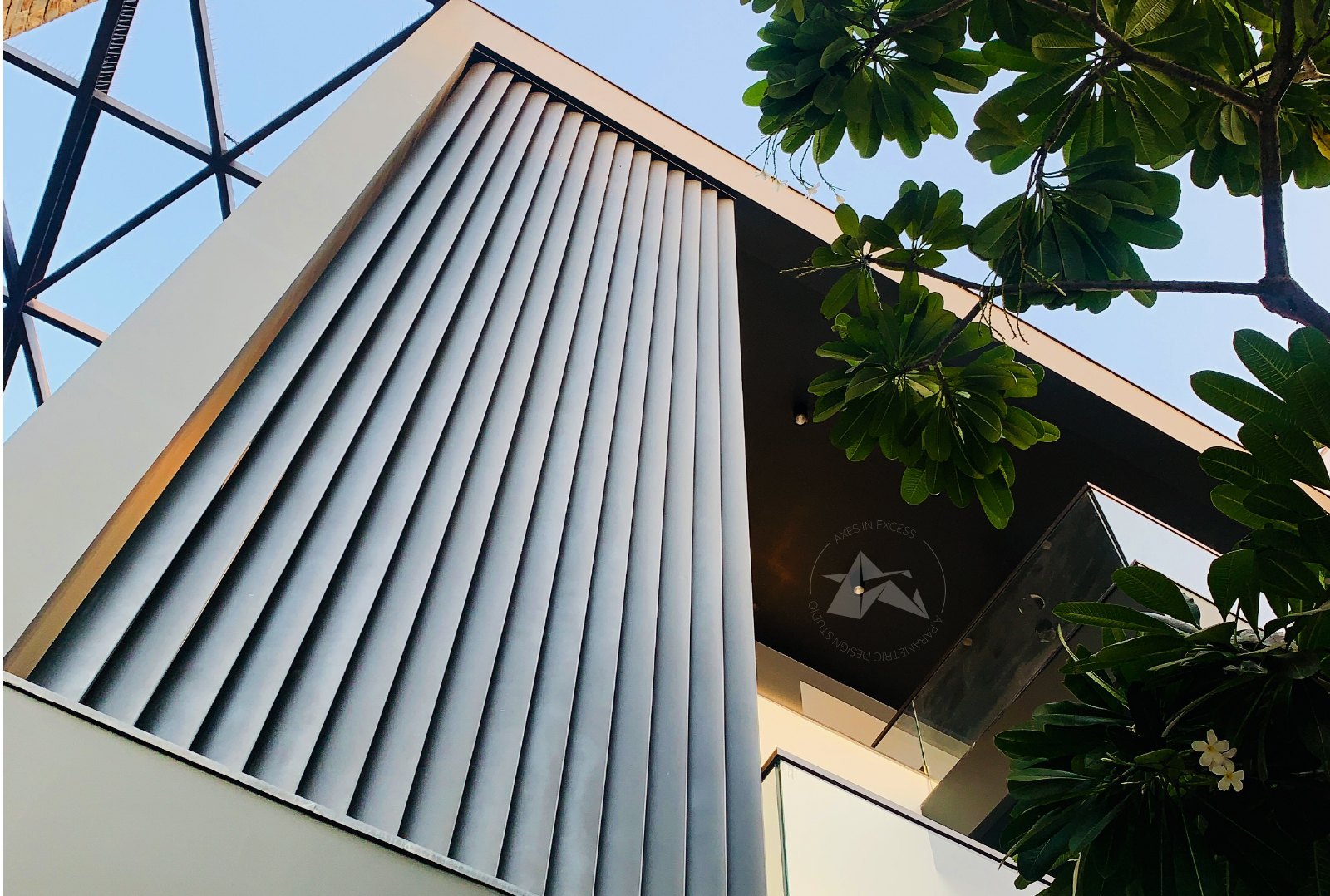
What it is: Curved louvre blades made of a strong and flexible material that have an aerodynamic shape like airfoils. They are mainly used for deflecting wind uplift and enhancing the structural strength of the building.
Why it matters in NZ: Windy areas (e.g., coastal regions or exposure) are ideal for such houses, as the blades help in the efficient wind cutting compared to flat blades.
Pros:
- Improved wind resistance
- Modern and stylish appearance
- Reduced the danger of uplift
Cons:
- Higher production cost
- Precise engineering is required
8. Bracket-Fixed Louvre Roof
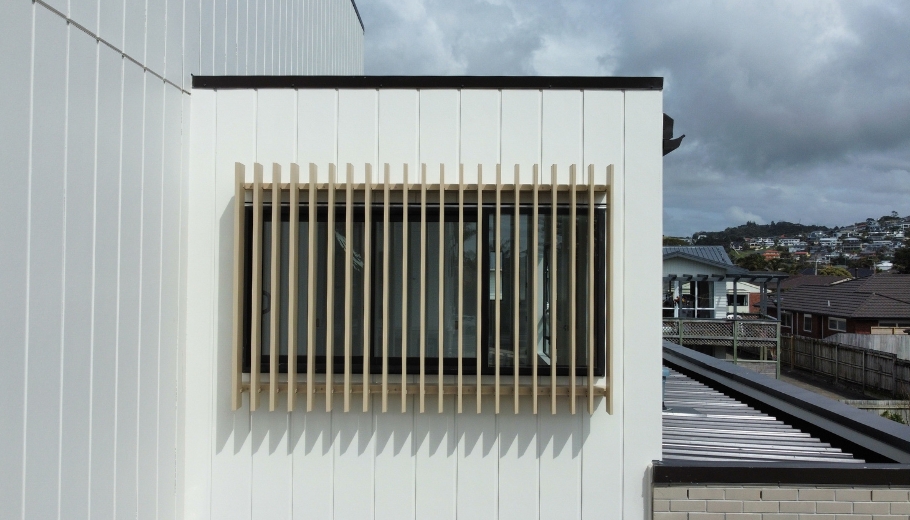
What it is: The fixed louvre blades are connected to the existing structure using brackets.
Use-case in NZ homes: Perfect for retrofitting, pergolas, or when adjustable louvres are not required.
Pros:
- Easy installation
- Cheaper than complete motorized systems
- Great for passive shading
Cons:
- No motorization
- Less flexibility due to a fixed position
9. Timber/Hybrid Louvre Roof
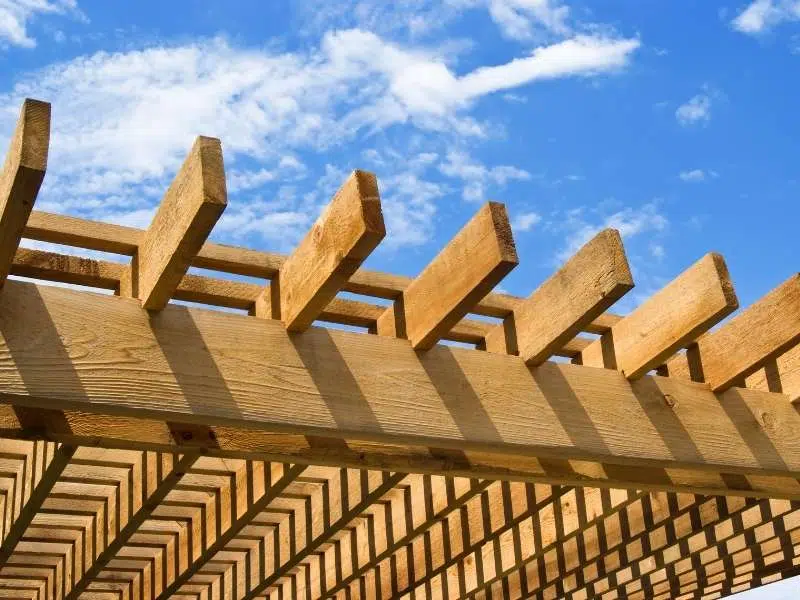
What it is: Louvers are composed of either wood or a combination of wood and aluminum that both express the beauty of nature and have the performance of modern materials.
Why architects love it: For modern houses that use a lot of wood, the timber louvres provide warmth and texture without sacrificing the performance of the modern systems. Certain NZ louvre-roof projects (e.g., those by NZ Louvres) are using wood in the design.
Pros:
- Gives a natural and warm appearance
- Can be finished with custom-stained
- Goes well with wooden buildings
Cons:
- Needs maintenance (due to weathering)
- Weightier than aluminum only
10. Gutter-Integrated Louvre Roof
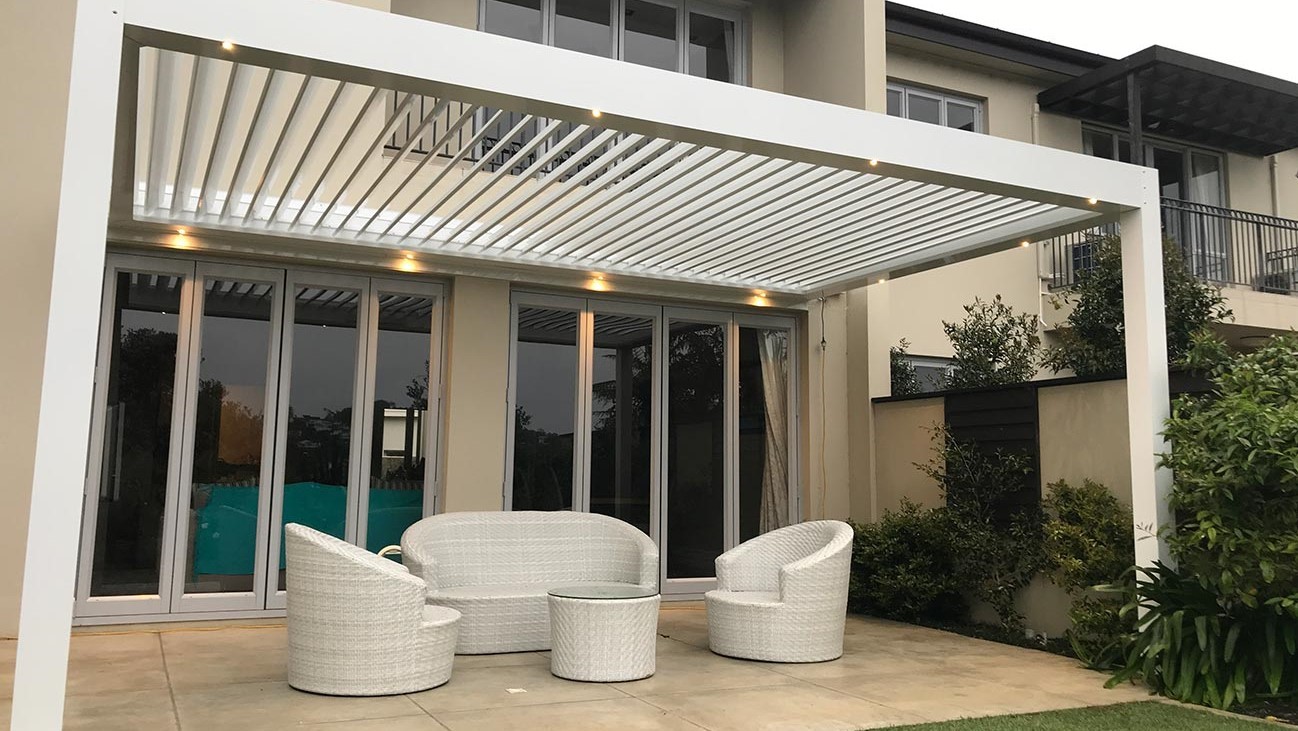
What it is: Louvre blades come with incorporated drains that redirect rainwater when the blades are closed.
Why it’s smart for NZ: The integrated guttering with continual rain makes it possible for your louvre roof to be a rainwater collector or a drainage solution, thereby minimizing leaks and lowering the maintenance level. The local NZ water systems are designed only for such water management.
Pros:
- Closed, they are weatherproof
- Water management is highly efficient
- Rain-harvesting is smart
Cons:
- Installation is a bit more complex
- Gutter cleaning is required occasionally
Key Facts About Louvre Roofs in New Zealand
- The market for louvred roofs is growing at a fast pace worldwide, with a global value of US$276 million by the year 2025 foreseen, and an annual growth rate of 4.2% predicted. Auckland Louvres
- A local louvre installer quoted a study, which says that the New Zealand market is progressively opting for louvre systems, thus confirming their energy-saving feature in indoor cooling during summer by around 20%.
- High-tech solutions are often provided with rain sensors that close the system automatically, thus becoming extremely responsive to the weather. louvretec.co.nz
- According to structural design guidelines from NZ Louvres, for some types of roof configurations (like abutting roofs), the span tables should be increased by 0.8 to adapt to local building code conditions.
- The orientation of the blades is critical: the louvres, according to the technical specs, are generally suggested to be installed east-west, which also gives the best sunlight control.
Comparative Table: Which Louvre Design Suits Which Scenario
| Design Type | Best Suited For | Advantages | Drawbacks |
| Motorised Opening | Year-round outdoor rooms | Full control, automation | Cost, structural needs |
| Slimline Opening | Minimalist modern homes | Low profile, elegant | Slightly less rugged |
| Fixed Louvre | Pergolas, passive shading | Low maintenance | No adjustability |
| RL200 Rectilinear | Light-flooded patio | Highlight, clean design | Needs strong support for long spans |
| RLX200 Heavy-Duty | Large span roofs | Robust, fewer posts | Heavier, pricey |
| Retractable Roof | Flexible deck use | Can open fully or close | Complexity, water sealing |
| Airfoil Profile | Wind-exposed homes | Excellent for uplift | Higher cost |
| Bracket-Fixed | Retrofits, DIY | Easy install, lower cost | Fixed blades only |
| Timber/Hybrid | Warm, natural design | Aesthetic appeal | Maintenance intensive |
| Gutter-Integrated | Rainy climates | Water management built-in | Maintenance of the gutter |
Real-World Insight & Quote
NZ Louvres, in a customer review, said it nicely and clearly:
Our engagement with NZ Louvred from the time we decided to go ahead… the louvres are simply gorgeous… we are very impressed… high craftsmanship quality… the overall service has been nothing but great.
This shows how good contemporary louvre systems are in New Zealand homes, not only in their working but also in their architectural elegance.
Conclusion
In New Zealand, roof louvre systems have become a basic necessity for architects. In addition to their protective role, they also contribute to a house’s temperature control and aesthetics. Homeowners are selecting these systems not only to improve the exterior of their homes but also to do it in a fashionable and practical way, whether it is a modern motorized setup, an Eco-friendly aluminum structure, or a custom-designed louvre pavilion. When it comes to premium installation, expert guidance, and fully customizable aluminum louvres Auckland and louvres design Auckland, Auckland Louvres continues to be one of the most reliable names in the business of changing Kiwi houses with durable, beautiful, and practical outdoor louvre NZ solutions.
FAQs
Which type of louvre roof is best for a modern NZ home?
When it comes to choosing a roof type, if you wish for something simple and modern, the slimline or motorised opening roofs are your most reliable options. They are not only very aesthetically pleasing but also support the fullest control of light and aeration. If, on the other hand, you are looking for a more rustic or seaside feel, the wood-hybrid louvres are really amazing. The selection of the “best” one is dependent on whether you value style, versatility, longevity, or price the most.
Can louvre roofs handle strong coastal winds?
Yes, indeed! Just be sure to select the correct profile. Designs such as airfoil-profile louvres or strong RLX systems are intended for very windy and coastal places, where New Zealand is common. If you are living by the seaside or on a mountain, just make certain that your installer is working with wind-zone certified systems.
Do I need council consent for installing a louvre roof?
Definitely, it is subject to the size and the definition of “building” given to the structure. Consent may not be needed for many small or louvre roofs attached to the main building, but big pergola-style roofs and freestanding structures almost always do. What is the safest way out? Just throw the question at your local installer—they are in regular contact with NZ councils and will inform you instantly.
How much does a louvre roof usually cost in New Zealand?
Costs are determined by factors such as size, material, motorisation, and extra features. A simple fixed louvre can be considerably inexpensive; however, fully motorised or retractable systems will definitely be priced higher. The average NZ homeowners usually invest about half a hundred thousand to a hundred thousand for a good louvre installation. A custom quotation is the only way to find out the exact price.